The Parent’s Corner: Building a Calmer Tournament-Day Kit for Amateur MMA
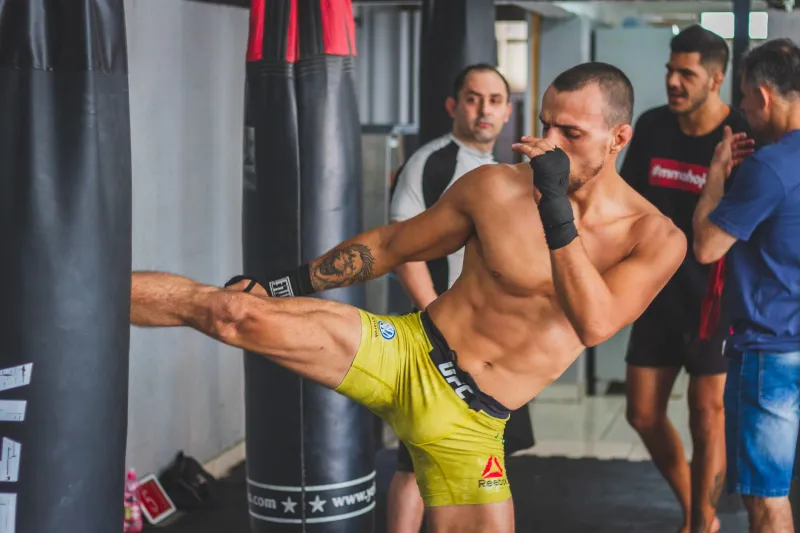
Your kid’s first amateur MMA tournament has a way of turning a normal Saturday into a small expedition. There is the weigh-in window, the gym bag, the sibling who needs a snack, the parking situation, and the nerves that show up for everyone—not just the athlete. In our house, we stopped treating tournament day like a test of toughness and started treating it like a family road trip with brackets. The bag is where that shift begins.
Start With the Bag, Not the Bracket
A good tournament bag is not about looking official. It is about removing small problems so your athlete can focus on the mat and you can focus on being a steady presence. We use a sturdy duffel with a bright luggage tag and one outside pocket for paperwork. Everything inside has a job. If it does not help us stay fed, hydrated, clean, comfortable, or organized, it stays home.
For 2026, US tournaments often mean long stretches in high school gyms, convention centers, or regional sports facilities. Seating is limited, food options are unpredictable, and cell service can be spotty. A little preparation goes a long way.
The 12 Essentials We Keep in the Family Gym Bag
-
Printed schedule and venue map. Screens fail, Wi-Fi gets overloaded, and venues sometimes post last-minute mat changes. A paper copy gives everyone one less thing to argue about.
-
Registration and medical paperwork. Bring copies of the waiver, emergency contacts, insurance card, and any tournament-specific forms. Keep them in a plastic sleeve so they do not turn into gym-floor confetti.
-
Competition gear plus backups. Shorts, rash guard, spats, mouthguard, cup, and any required safety gear. Pack a spare shirt and socks. Something always gets dropped, stretched, or spilled.
-
Warm layers for the athlete and the family. Gyms run cold in the morning and hot by midday. A hoodie, sweatpants, and a light blanket for the spectator crew make the waiting periods more bearable.
-
Flip-flops or slides. These are for walking around the venue, not competing. They protect feet in locker rooms and bathrooms and keep mat areas cleaner.
-
Water bottle plus electrolyte packets. Bring more water than you think you need. Electrolyte packets are easy to toss in and can help on a long, sweaty day. Check the tournament rules on what athletes can have during competition.
-
Easy snacks that do not require refrigeration. Pretzels, fruit pouches, granola bars, crackers, and peanut butter packets are our go-tos. Pack enough for siblings and parents, too. Hungry spectators become grumpy spectators.
-
A small first-aid pouch. Bandages, antiseptic wipes, athletic tape, blister pads, and any personal medications. This is not about playing doctor. It is about handling small stuff quickly so it does not become a big deal.
-
Hand sanitizer and wipes. Tournament venues are busy. Wipes are useful for hands, chairs, and the inevitable sticky spot on the bag.
-
Portable charger and charging cable. Phones are our cameras, schedules, maps, and contact lines. A dead battery adds stress nobody needs.
-
A comfort item for the athlete. A favorite hoodie, a small towel, headphones, or a lucky water bottle can give a young competitor a familiar anchor in a loud room.
-
A notebook and pen. Write down mat assignments, warm-up times, coach contacts, and reminders. It sounds old-school, but it keeps the whole family on the same page without everyone staring at a phone.
Hydration and Food: Keep It Boring
The best tournament food is not fancy. It is predictable. We avoid trying new supplements or heavy meals on competition day. Athletes get familiar foods that sit well, and the family gets snacks that can be eaten in a gym seat without a lot of mess. If your child has a nutrition plan from a coach, follow that plan and ignore random advice from the bleachers.
Hydration starts before the car ride. We fill bottles the night before and pack a few extra. On hot days or in crowded venues, a little extra water and a calm reminder to sip is better than a frantic search for a vending machine.
First Aid Is About Calm, Not Drama
Nobody wants to need the first-aid pouch. The point is that when a small scrape or blister shows up, you are not running through a crowded venue looking for a bandage. Keep the pouch small, check it before each trip, and replace anything you use. If your athlete has a medical condition, make sure coaches and tournament staff know what they need to know.
Comfort Items Are Team Equipment
A tournament day is long for siblings, too. We pack a book, a small toy, or headphones for the younger kids and remind them that they are part of the team. The athlete is not the only one who needs support. Sometimes the most helpful thing a parent can do is keep the family calm, fed, and reasonably comfortable so the athlete can look over and see a familiar face instead of a stressed-out search party.
A Note on Tournament-Day Parenting
Your child may win. Your child may lose. Either way, the car ride home matters. We try to ask simple questions: Did you feel prepared? What did you learn? What do you want to work on next week? The bag helps us get through the day, but our job is not to carry the result. Our job is to carry the snacks, the water, and the steady presence. That is the family team effort. The bracket is just the reason we showed up.