First Thirty Minutes: A Parent’s Post-Loss Playbook for Young Fighters
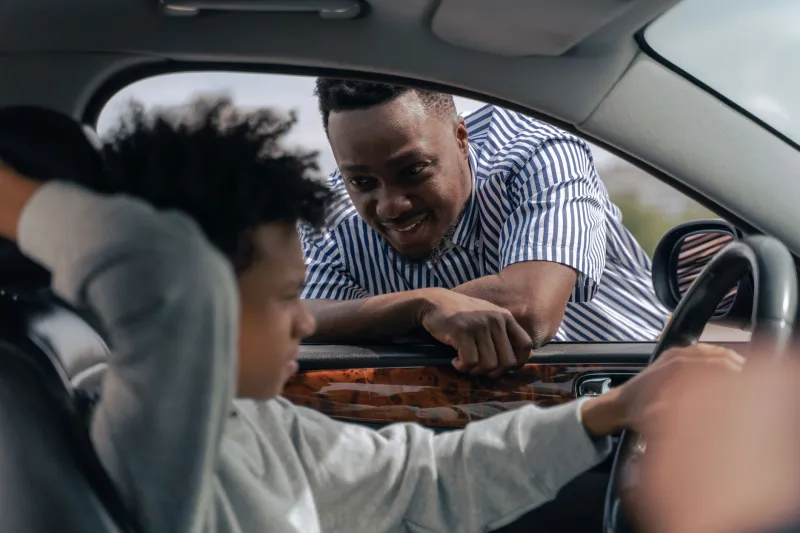
The final horn goes off, the referee raises the other kid’s hand, and your fighter’s shoulders drop. The walk to the car is quiet. The drive home can feel longer than the bout itself.
For parents, that first half hour is loaded. We want to fix it, coach it, explain it, or at least make our kid feel better. But the car is not a second corner. It’s a recovery room on wheels.
The First Five Minutes: Quiet With a Seatbelt
Your only job early is presence. Not analysis. Not scorecards. Not a pep talk that accidentally sounds like a performance review.
Try phrases like:
- “I’m glad I got to watch you.”
- “That one looked like it stung. I’m here.”
- “You don’t have to talk about it yet.”
Avoid opening with “What happened?” or “You should have…” If your kid is staring out the window, let them. A quiet car is not a crisis. It’s often a buffer.
The Next Ten Minutes: Name the Feeling, Not the Fix
Once the emotion has a little room, you can check in. Ask permission before going deeper.
“Do you want quiet, a snack, or to talk about it?” is a useful three-option question. It gives your child some control without forcing a conversation.
If they do talk, reflect the feeling back instead of solving it.
- “That sounds frustrating.”
- “It makes sense that you’re disappointed.”
- “You put a lot into this. Of course it hurts.”
This is where conversation traps show up. Watch for:
- The instant silver lining: “Well, at least you got experience.”
- The referee blame game: “You got robbed.”
- The sibling comparison: “Your sister would have…”
- The car-side technique review: “You kept dropping your right hand.”
- The permanent decision: “Maybe this just isn’t your sport.”
None of those are evil. They’re just too early. The first thirty minutes are for co-regulation, not correction.
The Debrief Framework: Effort, Adjustments, Ownership
Save the real breakdown for home, the next meal, or the next day. When everyone is calm, use three simple questions.
- What did you do well that had nothing to do with the result?
- Where did you feel most in control in there?
- What’s one thing you want to bring to practice this week?
That framework separates effort from outcome. It also keeps you out of the judge’s chair. You’re not there to relitigate the decision. You’re there to help your fighter notice what they can carry forward.
Add one parent observation, but keep it specific and short. “I noticed you stayed calm when she pressured you against the cage” lands better than a ten-minute breakdown. If your child doesn’t want to debrief, don’t force it. Sometimes the lesson needs a night to settle.
What Sportsmanship Looks Like in a Parking Lot
Kids learn how to lose by watching us. That means no booing the opponent, no muttering about the ref in earshot, and no filming an angry post-loss monologue for social media. If your child can shake hands, great. If they need a minute, that’s okay too.
If your fighter says, “I never want to do this again,” try not to panic. A useful response is: “That’s okay for tonight. We can decide later.” Big decisions made in the first thirty minutes are usually just feelings looking for an exit.
A Script You Can Keep in the Glove Box
- “I love watching you compete.”
- “That stung. I’m sorry.”
- “Do you want quiet, a snack, or to talk?”
- “We can look at it tomorrow.”
- “One thing I noticed was…”
- “What’s one thing you’ll take to practice?”
And the short list of lines to skip:
- “You had him.”
- “The ref stole it.”
- “Why didn’t you listen to your coach?”
- “Your brother would’ve finished that.”
- “Maybe you’re not cut out for this.”
The Long Game
A loss is not a referendum on your kid, your parenting, or your family’s place in the sport. It’s a data point. The ride home is where you decide what that data point becomes: a shame spiral or a safe return to training.
At MMA Family, we believe the car ride is part of the training. It’s where kids learn that they are loved for who they are, not just for how they perform. Train together. Grow stronger. Stay family.