Matinee on the Mat: A Family Media-Literacy Guide to Watching MMA Together
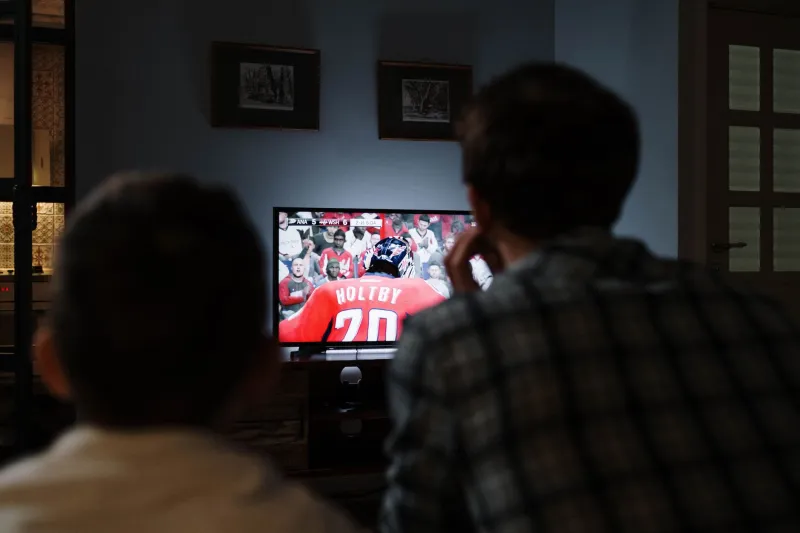
Fight night at home tends to happen by accident. Someone leaves the TV on, a card rolls into the co-main, and the kids drift in and out asking who the guy in the red trunks is. Nobody planned it. Nobody learned anything. By the main event, half the room is scrolling.
It does not have to work like that. With a little structure — one bout, one pause button, one question at a time — watching MMA together can become the most consistent media-literacy habit in your house. You are not just consuming fights. You are teaching kids how to read them: how to spot skill, how to name what respect looks like, and how to tell the difference between loving a sport and loving carnage.
Call it the matinee method. One fight, watched on purpose, then talked about.
Why Watch With Them Instead of Letting Them Watch Alone
Youth MMA families burn a lot of energy on the gym side of this sport — gear, coaching, weight classes, tournament weekends — and comparatively little on the screen side. But most of what a young fan absorbs about fighting comes from the broadcast, not the practice room. Commentary, crowd noise, slow-motion replays of a finish, the highlight reel that trims a five-round chess match into eleven seconds of noise.
When an adult sits in the room, the broadcast stops being the only narrator. A parent can point out that the fighter who lost controlled most of the fight. A parent can notice the corner telling their athlete to breathe. A parent can say out loud that the referee stepping in is a good thing, not a buzzkill.
Four House Rules Before You Press Play
Keep these simple, and post them somewhere visible if your crew is the type.
- One bout at a time. No full cards. A full card is a firehose of ads, walkouts, and chaos that has nothing to do with the fight you came for.
- Pause is free. Anybody can call pause — kid, parent, grandparent. Nobody gets teased for using it.
- Skill first, damage second. If the first comment after a finish is about how bad it looked, redirect once: so what did the winner set up to get there?
- The remote belongs to the adult until the conversation is done. Not a punishment. Just a rule that keeps the room from collapsing back into scrolling.
The Starting Five
These five bouts are widely available on the major streaming platforms and the promotions' own channels, and each one carries a different lesson. Check for content notes before showing younger kids — even clean fights include hard contact and the occasional cut.
1. Forrest Griffin vs. Stephan Bonnar — The Ultimate Fighter 1 Finale (2005)
The fight that arguably saved the promotion. Two men with limited records, swinging until the horn, then hugging like they had known each other for years.
Ask after: Why do people still talk about this one two decades later, when neither guy was the most skilled athlete on the card? What happened after the final horn that made it stick?
2. Israel Adesanya vs. Kelvin Gastelum — UFC 236 (2019)
A five-round technical bout with almost no trash talk and a lot of small adjustments.
Ask after: Who was winning in round one, and who was winning in round four? What changed? How did each corner talk to their fighter between rounds?
3. Rose Namajunas vs. Weili Zhang — UFC 261 (2021)
Two champions, genuine mutual respect, and an early finish that settles almost nothing about who is tougher.
Ask after: What did Namajunas see in the first thirty seconds? Why throw that kick right then? Was Zhang's reaction a mistake, or just bad luck?
4. Amanda Nunes vs. Valentina Shevchenko II — UFC 215 (2017)
A close, high-skill decision that rewards paying attention all the way through.
Ask after: Why is a close fight sometimes harder to judge than a knockout? What made you trust one fighter more than the other across five rounds?
5. Holly Holm vs. Ronda Rousey — UFC 193 (2015)
The classic fundamentals-versus-hype conversation, and a good entry point on how commentary frames a fight before it starts.
Ask after: What did the broadcast assume was about to happen? Did the fight follow that script? Who adapted, and who kept doing the same thing?
Questions That Work on Any Fight
Keep a short list taped inside a kitchen cabinet. When the room goes quiet after a finish, pull one:
- What did the winner do in round one that changed everything by round three?
- Where did you see respect — before, during, or after?
- What would you have told the losing fighter between rounds?
- Was the crowd reaction fair to both athletes?
- What would you try from this fight in your own training this week?
That last one is the bridge back to the gym. A kid who notices a body jab and then tries it on the bag next Tuesday has learned far more than a kid who watched six hours of highlights.
When the Conversation Stalls
It will stall. Some nights nobody wants to talk and everyone just wants to watch. Let it. Ask one question, accept a one-word answer, move on. You are building a habit, not running a book club.
If you want to nudge it, swap the question for a comparison. Ask which fighter they would want as a training partner and why. Ask whether they would rather be coached by the winning corner or the losing one. Kids will argue about that for twenty minutes, and every minute is a minute they are thinking like a student of the sport instead of a spectator.
Build Your Own Canon
Those five are a starting shelf, not scripture. Add bouts you remember, bouts your coach recommends, bouts your kid found on their own and wants to defend. Keep a running note on the fridge of fights the family wants to revisit — the ones that produced the best arguments.
A generation ago, families gathered around a radio for a title fight. Now the card is endless, the algorithm is endless, and the attention is not. Picking one bout, pressing pause, and asking one honest question is a small ritual. Do it a dozen times this year and you will have built something plenty of MMA households never get: a shared vocabulary for what this sport is actually about.