The Quiet Gains: A Family Scorecard That Ignores the Podium
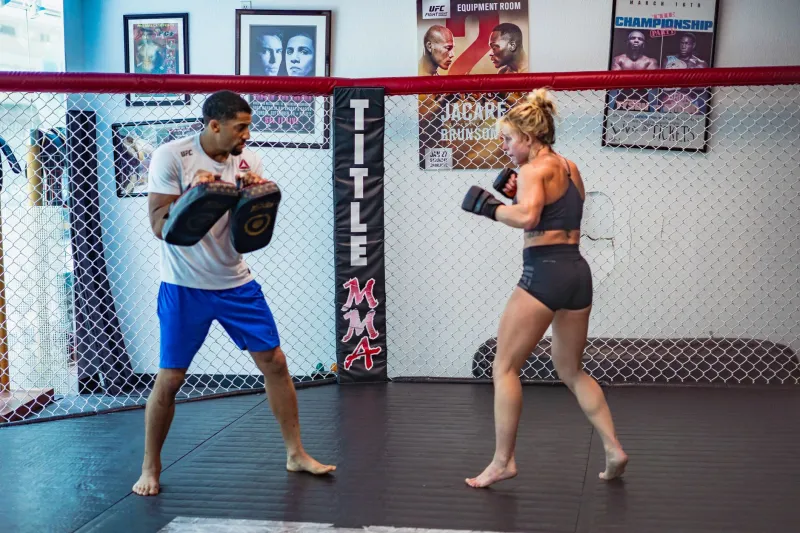
The scoreboard in youth combat sports is loud. It shows up as belt promotions, tournament brackets, highlight reels, and the kid down the street who started six months later and already has a medal. For families trying to raise healthy athletes, that noise can crowd out the stuff that actually lasts: showing up, learning, staying calm, recovering, and having people in your corner.
This is not an argument against competition. It is an argument for a wider scoreboard. In 2026, youth MMA and grappling are growing in the US, and ambition is not the enemy. The enemy is letting one number — a placing, a belt, a follower count — become the only story.
The Problem With Podium Math
Podium math says progress is linear and public. Train hard, win a medal, move up. But real progress in combat sports is lumpy. A kid can learn a sweep in March, forget it in April, and use it under pressure in June. A teenager can lose two matches and still develop better composure than the kid who won the bracket. If families only count finishes, we teach kids to ignore the invisible work that makes finishes possible.
There is also a family cost. When every car ride home becomes a review of what went wrong, kids learn that the mat is a place where love is conditional on results. That is a bad trade. We can want our kids to be tough and ambitious without making them feel like they are only as good as their last match.
Five Things Worth Counting
Use this as a monthly check-in, not a report card. Score each area from 1 to 5, then talk about one thing that is going well and one thing that needs attention. Print the table or copy it into a notes app.
| Area | What we are looking for | Score (1–5) | Notes |
|---|---|---|---|
| Consistency | Shows up to practice, warms up, packs gear without a family fire drill | ||
| Technique retention | Can name and show two or three moves from the last month | ||
| Composure | Resets after a bad round, taps early, listens to the coach | ||
| Recovery habits | Sleep, hydration, rest days, and honest reporting of pain | ||
| Family support | Rides, meals, mat-side behavior, and cheering without sideline coaching |
A total of 25 is not the goal. The goal is a conversation. A kid who scores low on consistency but high on composure may be dealing with a schedule problem, not a discipline problem. A kid who scores high on technique but low on recovery may be running on fumes.
How to Use the Scorecard Without Turning It Into Homework
Pick one week a month. Let your child score themselves first, then compare notes. Keep it short. No prizes, no punishments, and no posting it online. The scorecard is a mirror, not a leaderboard.
Parents should fill out the family-support row honestly. Did we get them there on time? Did we sulk after a loss? Did we yell instructions from the folding chair? That row keeps the adults in the process instead of pretending the kid is the only variable.
Scripts for the Comparison Trap
Comparison is normal. Kids look at teammates, rivals, and social media. The trick is to turn comparison into information instead of a verdict. Try these lines when the conversation starts sliding toward 'I’m behind' or 'She’s better than me.'
- 'I noticed you checking the bracket. What part of your game felt better this month?'
- 'A medal tells us what happened on one day. What did you learn that will help next time?'
- 'It is okay to want to win. It is not okay to let one result decide what you think of yourself.'
- 'Comparison is information, not a verdict. What can we learn from that kid’s path without copying it?'
- 'What would progress look like for you this month if nobody was watching?'
Keep the questions open. If your kid shrugs, let it go and come back later. The point is not to win the conversation. The point is to keep the door open.
The Point Is Not Lowering Ambition
A family scorecard does not mean you stop chasing goals. If your kid wants to compete, keep the tournament calendar. Keep the private lessons if they help. Keep the big dreams. Just make room for the quiet gains too: the skipped practice that was actually a needed rest day, the tap that showed self-awareness, the kid who shook hands after a loss and asked what to work on next.
In our house, the rule is simple: we cheer for the result, but we talk about the process. That keeps the sport in perspective and the family in the corner. The podium is a nice place to visit. It is a terrible place to live.